Natural Lung Health Insights
“The ‘Sticky Mucus Trap’ That Hardens Inside Your Lungs After 50”
What most people don’t realize is that after 50, your lungs may slowly become less flexible… trapping thick mucus deeper inside your airways every day.
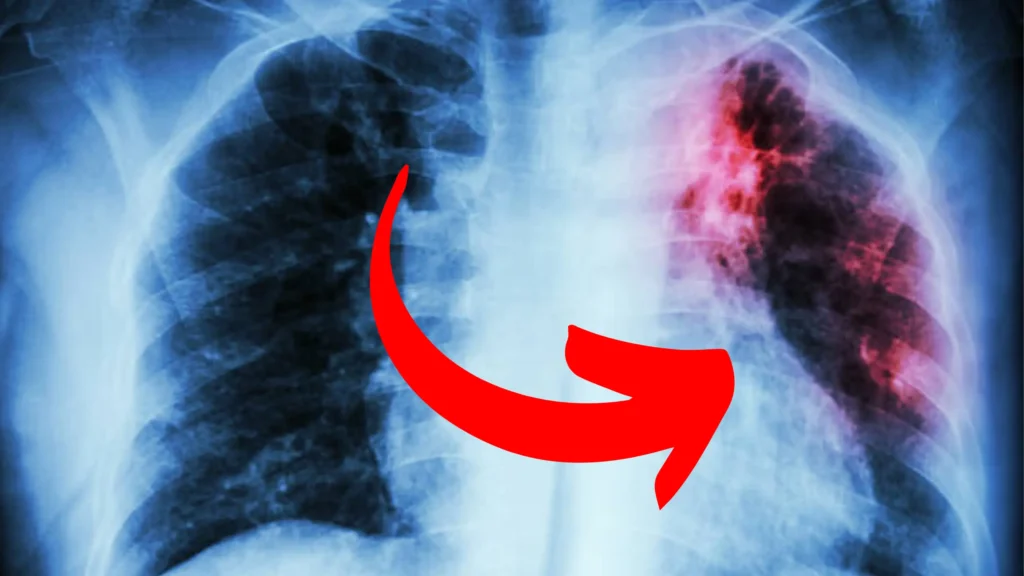
⚠️ This short video may be removed at any time
And if ignored… these small signs can gradually turn into constant congestion, poor sleep, and reduced breathing capacity.
• Constantly clear your throat
• Wake up coughing at night
• Feel mucus “rattling” in your chest
• Get short of breath easily
• Avoid talking too much because it triggers coughing
You’re not alone.
And it may not be “just congestion” like many people believe.
A short presentation explains what may really be happening inside the lungs.
The Hidden Reason Mucus Keeps Coming Back
Researchers have linked age-related lung changes to how mucus clears over time.
Researchers have found that after 50, the tiny air sacs inside your lungs can slowly lose flexibility.
Think of them like small balloons.
When you’re younger, they expand easily.
They contract fully.
They clear out stale air and mucus naturally.
But over time…
Those air sacs can become slightly stiff.
And when that happens, something important changes.
Your lungs don’t empty the way they used to.
Air gets trapped.
Moisture lingers.
And mucus no longer clears efficiently.
Instead of being expelled naturally…
It settles.
It thickens.
It sticks.
And no matter how much you cough, clear your throat, or try home remedies…
It keeps coming back.
That’s why inhalers may only provide temporary relief.
That’s why syrups don’t solve it long-term.
Because they’re trying to treat the mucus —
Not the reason your lungs stopped clearing it properly in the first place.
And once you understand this simple shift…
Everything about “lung congestion” starts to make sense.
The “Lung Sponge” Protocol Explained
Based on these observations about lung mobility, a simple method was developed:
The “Lung Sponge” Method Is Designed To:
A practical, at-home respiratory support method designed to:
- Encourage natural lung movement
- Support natural flexibility
- Help maintain balanced mucus levels
- Promote more comfortable breathing
Instead of focusing only on temporary fixes…
This approach focuses on supporting how your lungs function over time.
No complicated equipment.
No extreme routines.
Just a focused method built around mobility and natural breathing support.
If you’ve felt your breathing change over time…
If congestion keeps returning despite your efforts…
It may be time to understand what’s happening beneath the surface.
Watch the short explanation below.
What Clearer Breathing Could Feel Like Again
Imagine waking up without that heavy feeling in your chest anymore.
Walking up a flight of stairs without needing to pause halfway.
Taking a deep breath — and actually feeling your lungs fill again.
Sleeping through the night without constant coughing.
For many adults over 50, improving lung mobility can help restore a sense of ease to everyday breathing.
Not by forcing the lungs.
Not by masking symptoms.
But by supporting how they naturally function.
If recurring congestion has left you frustrated…
And common remedies haven’t provided lasting comfort…
Understanding lung mobility may change the way you think about breathing.
What Others Noticed After Supporting Their Lung Mobility
Many adults over 50 have shared similar experiences after focusing on lung mobility.
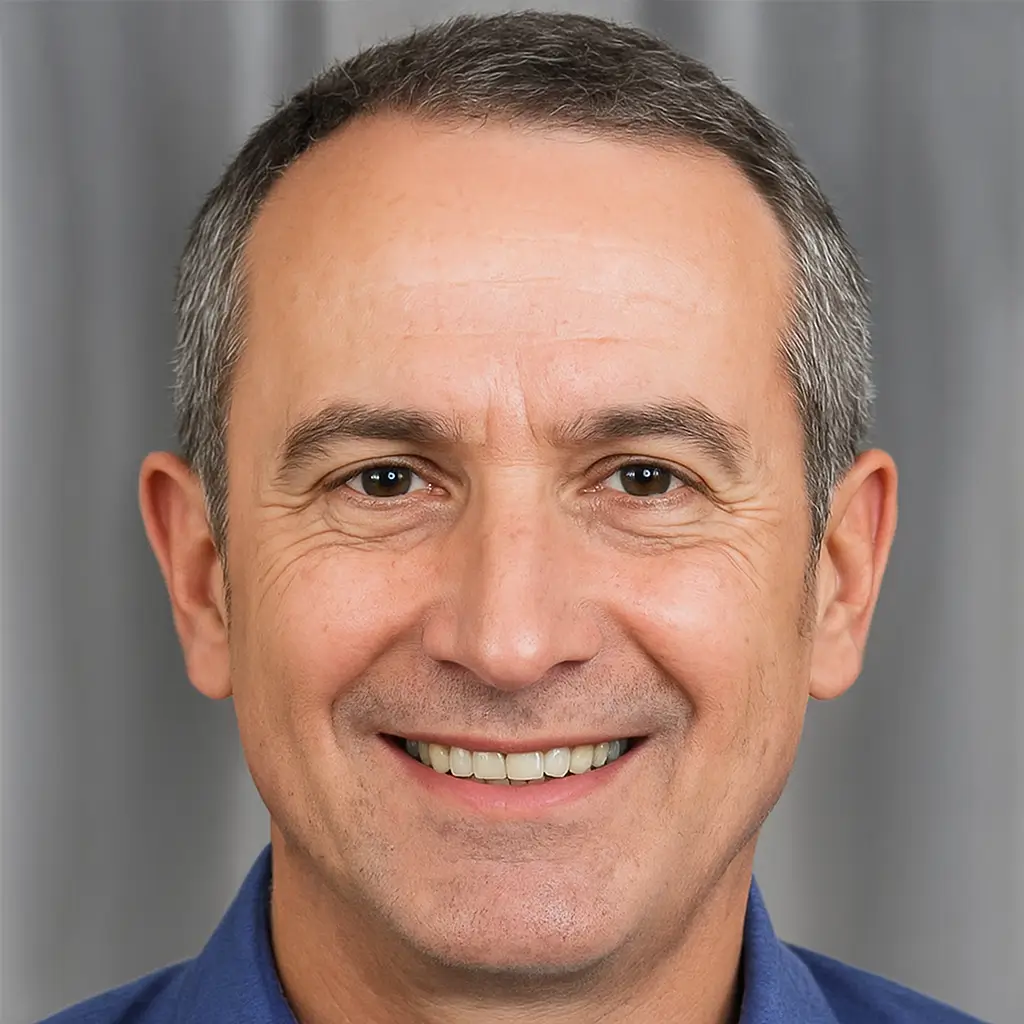
Mark T., 59
“I didn’t realize how restricted my breathing had become until things started improving. Within weeks, my chest felt lighter and I wasn’t waking up coughing as often.”

Linda R., 55
“I had tried steam and herbal teas for years. This was the first time I felt like my breathing had more ease to it.”
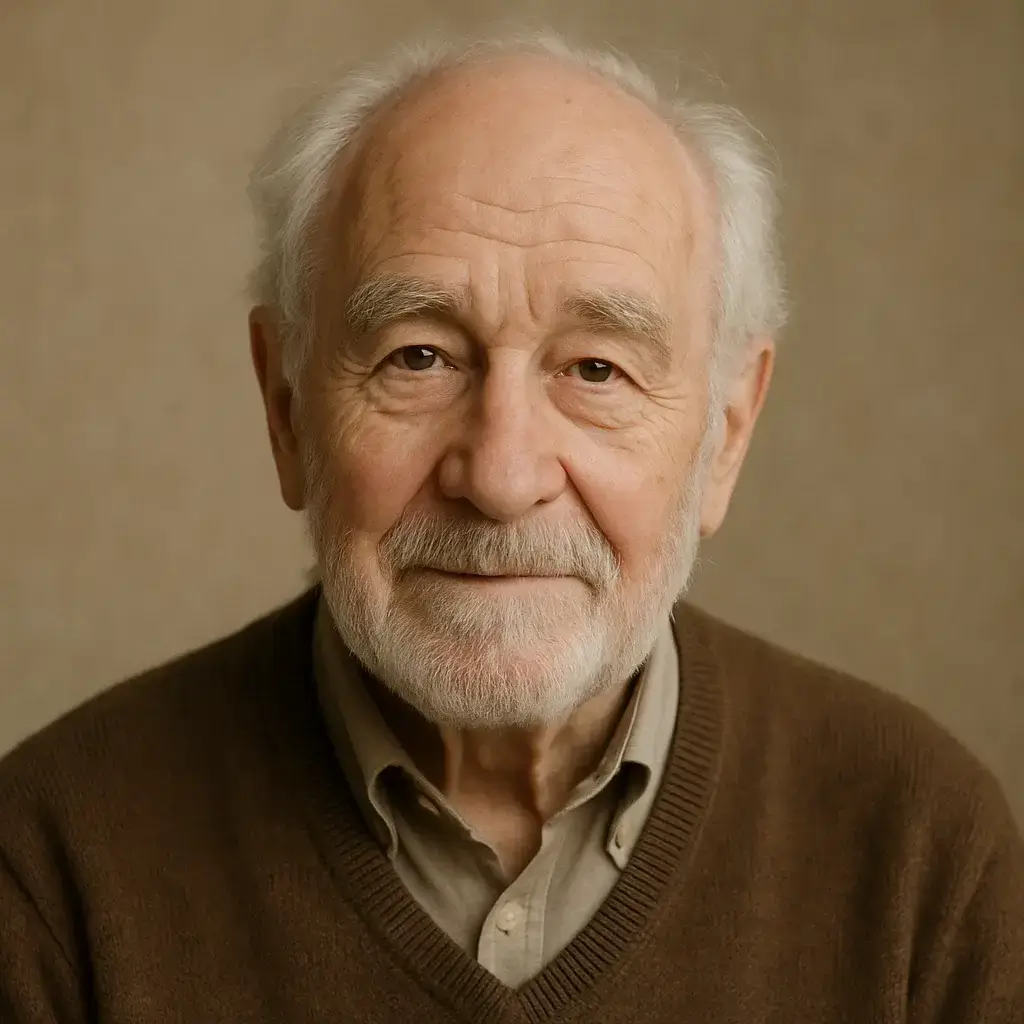
James P., 69
“The heaviness in my chest gradually eased, and I noticed I could walk longer without stopping.”
Want to see how the Lung Sponge Method works?
Frequently Asked Questions
Is this a medical treatment?
No.
The Lung Sponge Protocol is an educational presentation about lung mobility and breathing patterns. It is not a medical treatment and is not intended to diagnose, treat, or cure any condition.
Is this meant to treat COPD, asthma, or other medical conditions?
No.
This approach focuses on supporting natural respiratory function and lung mobility. It is not intended to diagnose, treat, cure, or prevent any disease.
Why haven’t I heard about lung mobility before?
Many common approaches focus mainly on symptoms. Lung mobility focuses on how the lungs expand and move air naturally during breathing.
How is this different from steam, teas, or syrups?
Many traditional remedies focus on temporary comfort. The Lung Sponge Protocol focuses on supporting how the lungs move and function during breathing.
Is this suitable for adults over 50?
The protocol was created with adults over 50 in mind and focuses on gentle breathing and lung mobility concepts. Anyone with medical conditions should consult a healthcare professional before making changes to their routine.
How long does it usually take to notice changes?
Results can vary from person to person. Some individuals notice changes within a few weeks, while for others it may take longer depending on consistency and daily routines.
Does this require special equipment?
No special equipment is required. The protocol is designed to be simple and easy to follow at home.
This website provides educational information about breathing patterns and lung mobility. It is not intended to provide medical advice or replace consultation with a healthcare professional. Individual experiences may vary.